
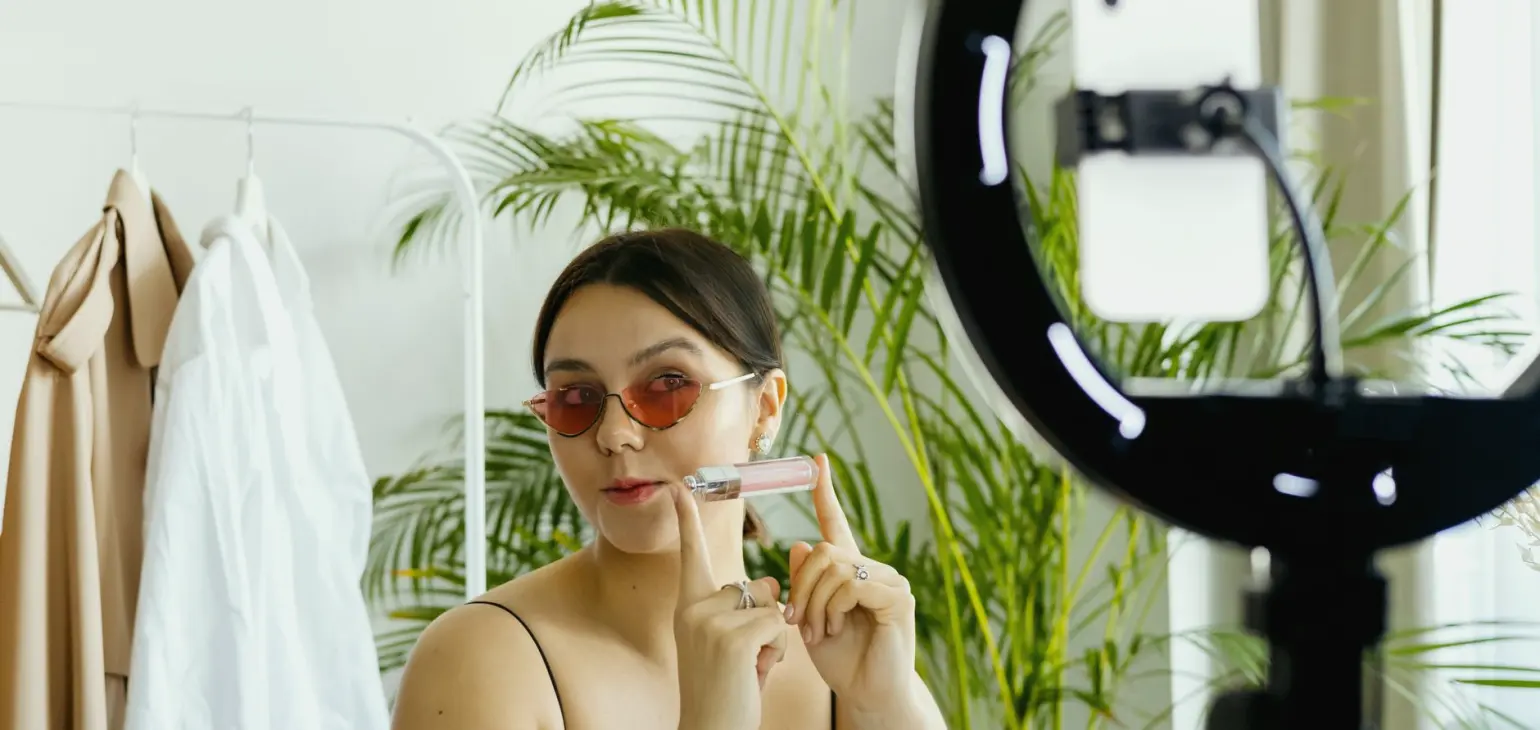
Starting with an apology or a warm-up cough
The most frequent slip I see in workshops is the verbal throat-clear. A presenter presses record and says, sorry, I hope this works, or let me just get started, or I am not great at these. The viewer has not yet learned who you are or why they should stay, and you have already told them to expect a struggle.
The fix is simple but needs repetition. Decide your first sentence before you record and write it down word for word. It should name the viewer or the topic, not your nerves. Say it aloud at least five times before the camera is on, until it leaves your mouth without a pause.
If you do stumble on the first take, do not talk through it. Stop, breathe, and begin again. Recordings can be restarted at no cost, and a clean first line sets the tone for everything after it.
- Write the first sentence out in full
- Name the topic or the viewer straight away
- Restart instead of apologising
A greeting that runs too long
Greetings tend to grow. Good morning, everyone, welcome, thank you for joining, I hope you are all well, it is lovely to see so many of you. By the time the real subject arrives, twenty seconds have gone and attention has started to drift, especially on recorded video where nobody is in the room to be polite.
Keep the greeting to a single short line. One welcome, one sentence saying who you are if the audience needs to know, and then move on. On a live stream you can leave a little room for people arriving late, but fill it with something useful rather than repeated pleasantries.
A helpful test in our sessions is to time the greeting with a phone stopwatch. If it passes eight seconds, cut a phrase and time it again. Most people are surprised how little the audience misses.
Burying the first key message
Many openings circle the point. The presenter explains background, history and context, and the one thing the viewer came for appears at the one minute mark. For a training video or a business update, that is too late.
State the key message within the first thirty seconds, even if you expand on it later. Something like, in this video you will learn how to submit a request in three steps, gives the viewer a reason to stay and gives you a clear path through your own script.
When coaching, I ask people to finish the sentence, if you remember one thing from this video, it is. Whatever they say becomes the spine of the opening. Background can follow once the viewer knows where the video is heading.
- Say the main point early
- Give the viewer a reason to keep watching
- Add background after the message, not before
Reading the opening flatly from the script
Nerves make people stiff precisely where it matters. The opening is often read at a different speed and in a different voice from the rest of the recording, a little too fast and a little too even, as if the presenter wants it over with.
Mark your script. Put a slash where you want a pause after the greeting and underline the two or three words that carry the message. Then read it aloud slowly, slower than feels natural, because on camera a calm pace reads as confidence.
If you use a teleprompter, set the opening lines to scroll a touch slower than the body text and look at the lens for the greeting itself. A relaxed face in the first few seconds does more than any clever phrase.
Forgetting the live stream is already running
Live streams add their own trap. Presenters press go, then look away to check the chat, adjust the lighting or fix a microphone, while viewers watch an empty or distracted frame. The first thirty seconds are public even when you feel you have not started.
Prepare a short holding opening. It might be a single line that welcomes people and says what the session covers, repeated while the audience gathers. Have your notes, your water and your chat window arranged before you go live so your eyes stay near the lens.
Practise going live with the stream set to private first. Watching the playback shows you exactly what the first moments look like to a stranger, and it is usually easy to see what to trim.
- Arrange notes and chat before going live
- Prepare one repeatable welcome line
- Check a private playback first
Skipping the rehearsal of just the opening
People rehearse the whole script once and call it done. But the opening is the part with the highest stakes and the least settled delivery, because you read it when you are most nervous.
Rehearse the first thirty seconds on their own, many times. Ten short repetitions are worth more than one full run-through. Do them standing, at the distance you will record, and look at the lens rather than at the page.
After each run, change one thing only: the pace, the pause, or where your eyes go. Small adjustments are easier to keep. By the time you record, the opening should feel almost routine, which leaves your attention free for the message.
A strong opening is rarely about talent. It comes from deciding the first line, trimming the greeting, stating the message early and rehearsing those thirty seconds more than anything else. Pick one mistake from this list and fix it in your next recording. Notice how much calmer the rest of the video feels once the start is settled, and how much easier it is to keep going.